
 Business License

304 vs 316L Stainless Steel Filter: Which One Fits Your Project
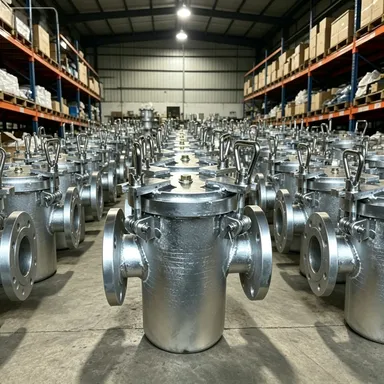
Selecting between 304 and 316L stainless steel filter directly affects service lifespan in harsh environments. 304 stainless steel works well for fresh water and general industrial fluid filtration, offering cost advantages for standard projects. 316L stainless steel contains molybdenum, delivering superior anti-corrosion performance for seawater, brine and chemical media. For offshore vessels and coastal pipeline systems, most engineers prefer 316L stainless steel filter to avoid pitting corrosion. Both versions support customized mesh, flange connections and pressure ratings. When placing orders, confirm working medium, temperature and pressure with your supplier to pick the right material grade and filter structure.
Recently Posted
-
Why Stainless Steel Filter Is Preferred for Seawater Filtration Systems
September 15, 2026Stainless steel filter for seawater is widely used in ship cooling systems, desalination and offshore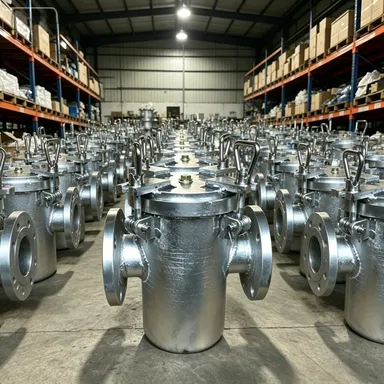 Read More
 -
Stainless Steel Basket Strainer vs Y-Type Filter: A Buyer’s Guide
September 15, 2026Many overseas purchasers struggle to choose between stainless steel basket strainer and Y type stainle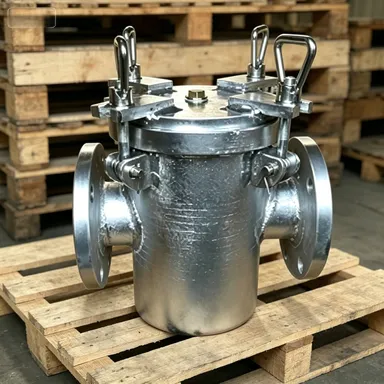 Read More
 -
Benefits of Custom Stainless Steel Filter for Industrial & Marine Projects
September 15, 2026Custom stainless steel filter offers tailored solutions for special industrial and marine projects whe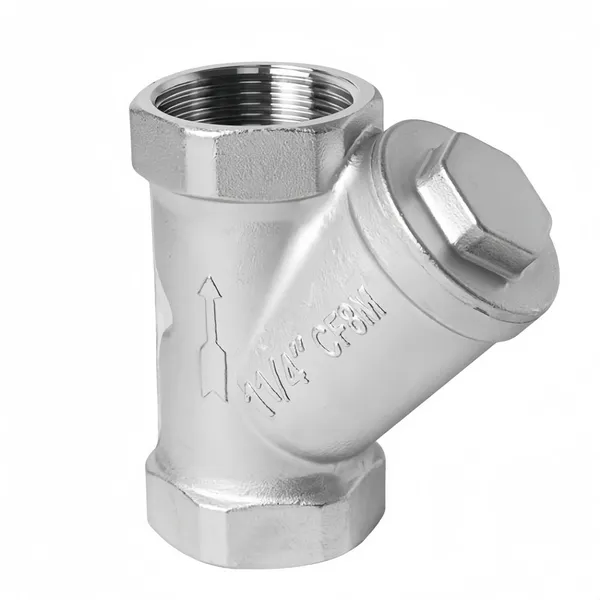 Read More
 -
Maintenance Tips to Extend Stainless Steel Filter Service Life
September 15, 2026Proper stainless steel filter maintenance prevents clogging and unexpected pipeline shutdowns. Schedul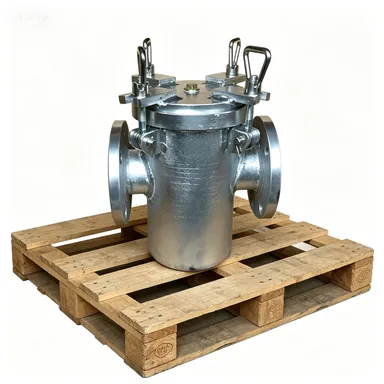 Read More

Contact Us
Recommended Products
-
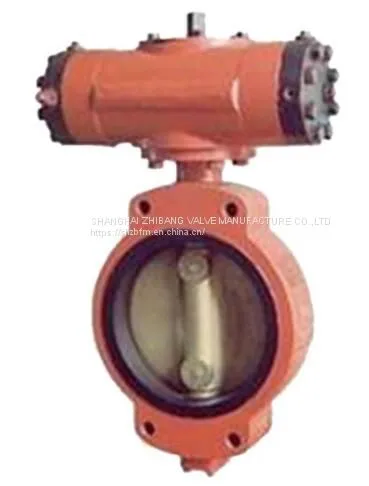
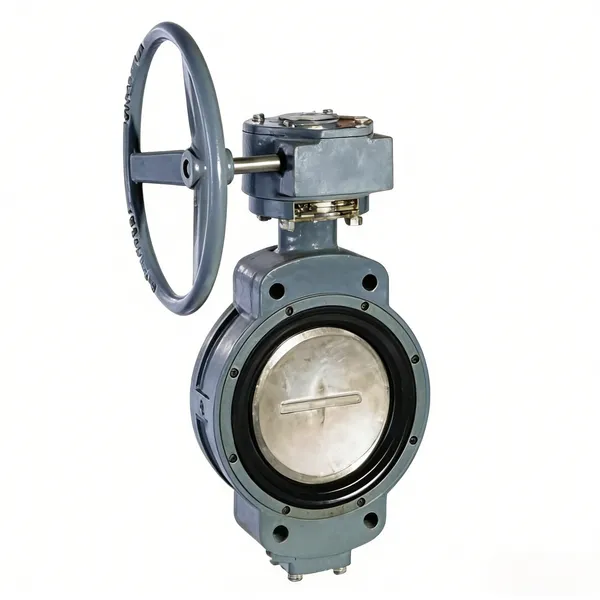
 Marine Wafer Type Hydraulic Butterfly ValveNegotiableMOQ: 0 Piece
 -
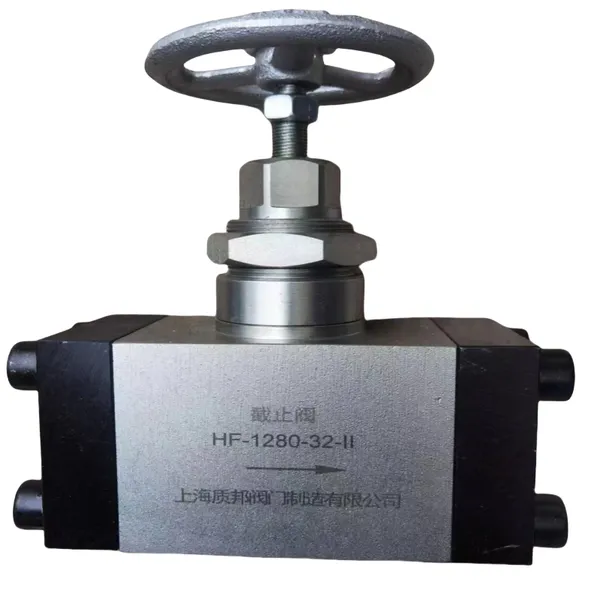
HF-1280 SERIES High Pressure Stainless Steel Globe Valve Flanged Threaded Globe Valve For Water Oil GasNegotiableMOQ: 10 Units
-
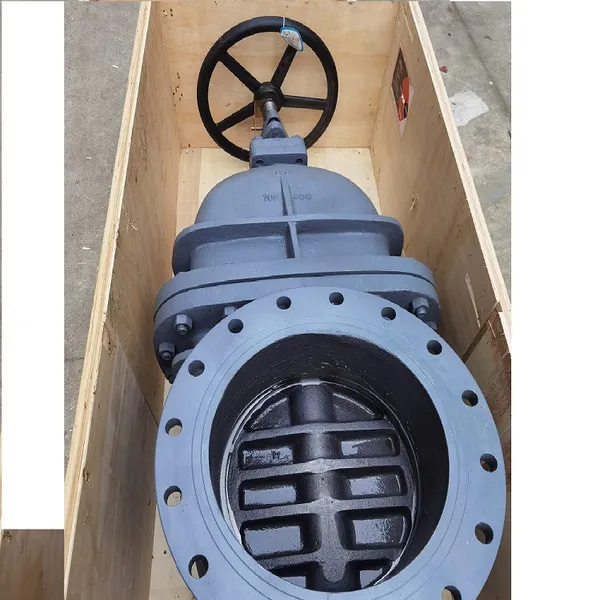
Large Diameter Marine Flanged Gate Valve DN400 for Ship PipelineNegotiableMOQ: 10 Units
-
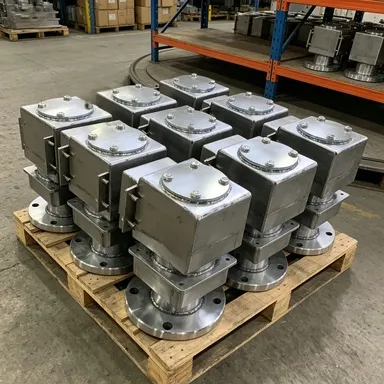
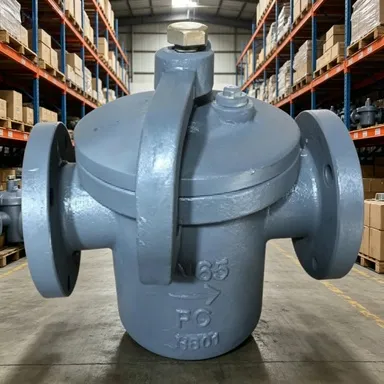
Marine Can Water Strainer JIS F7121 S Type (DN40, DN50, DN65, DN80, DN100) - Shipbuilding Sea Water FilterNegotiableMOQ: 20 Units
-
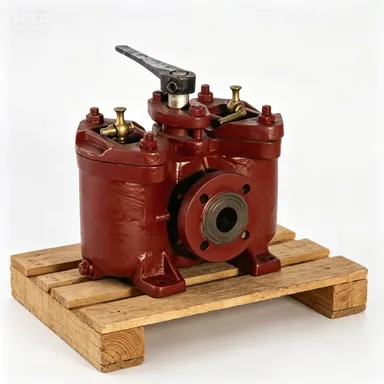
Duplex Switchable Oil Filter CB/T 425-94, Cast Iron Body, Stainless Steel Basket for Ship Fuel SystemNegotiableMOQ: 10 Units
-
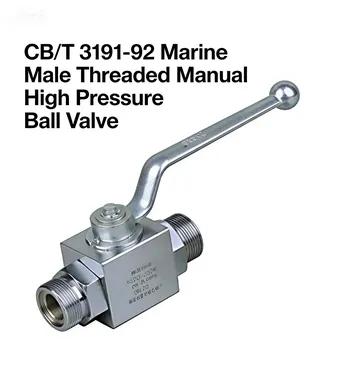
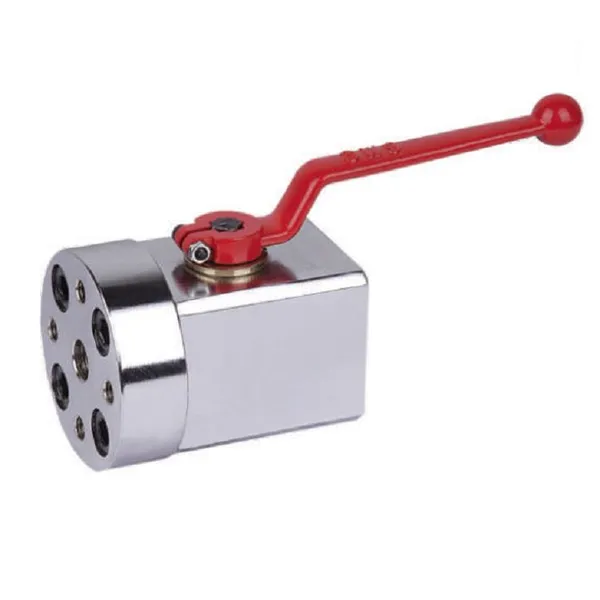
CB/T 3191-92 Marine Male Thread Manual High Pressure Ball ValveNegotiableMOQ: 10 Units
-
GB/T 3036-94 Marine Center Line Wafer Butterfly Valve Screw OperatedNegotiableMOQ: 30 Units
-
CB/T3191 Standard Ship Manual High Pressure Ball Valve, Cast Steel, Marine Fuel Oil Water SystemNegotiableMOQ: 10 Units
-
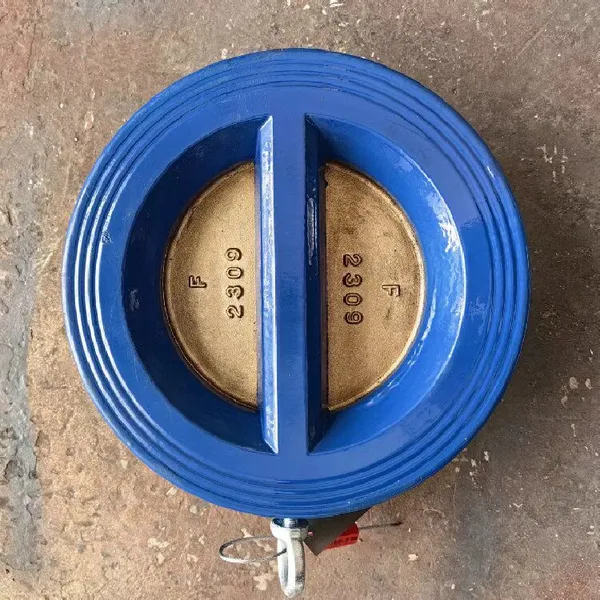
CB/T4303 Marine Butterfly Check Valve | Wafer Dual Plate Non-Return Valve For Seawater Oil PipelineNegotiableMOQ: 10 Units
-
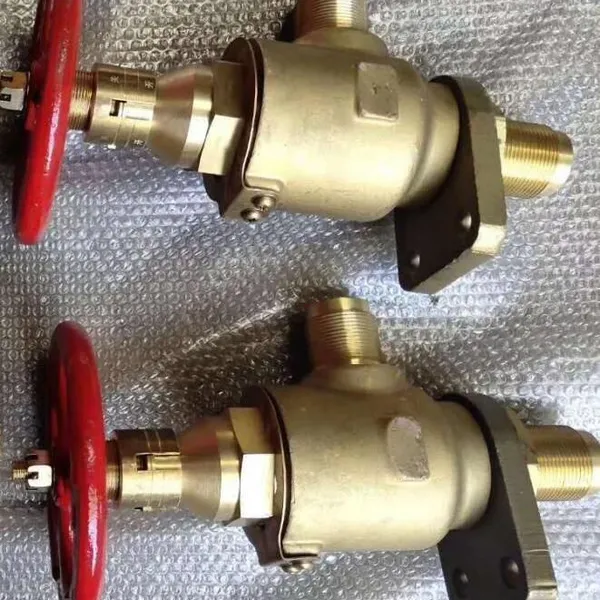
CB590-1995High Pressure Angle Globe Check Valve With Mounting PlateNegotiableMOQ: 50 Units
-
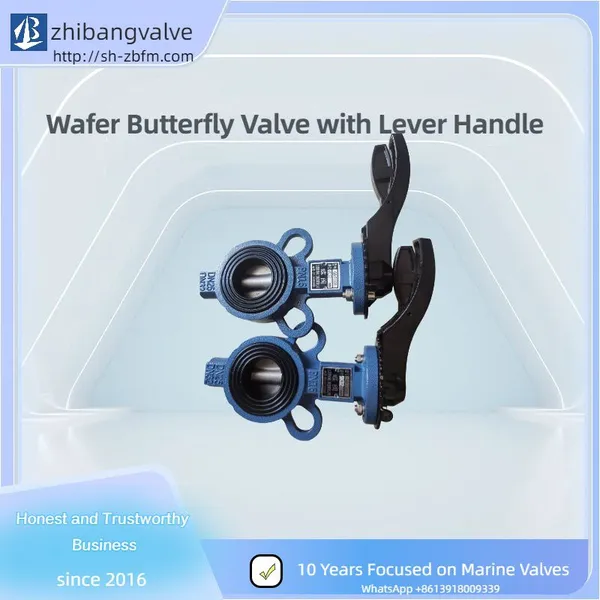
GBT3036 Wafer Butterfly Valve With Lever Handle | Lever Operation for Fast 90° Opening and ClosingNegotiableMOQ: 30 Units
-
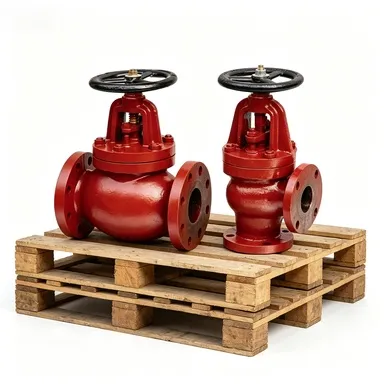
Marine JIS F7306 J Class Cast Iron Flange Angle Stop Valve 5K/10K ShipbuildingNegotiableMOQ: 20 Units
-
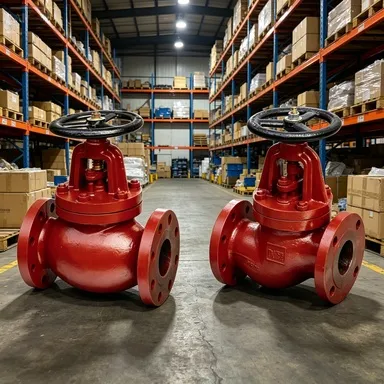
JIS F7305 J Type Flanged Cast Iron Straight Through Globe Stop Valve for MarineNegotiableMOQ: 20 Units
-
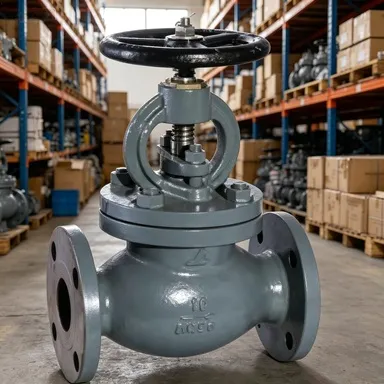
JIS F7312 Marine J Type Cast Steel Flange Globe Valve | DN25-DN300 CCS BV ApprovedNegotiableMOQ: 20 Units
-
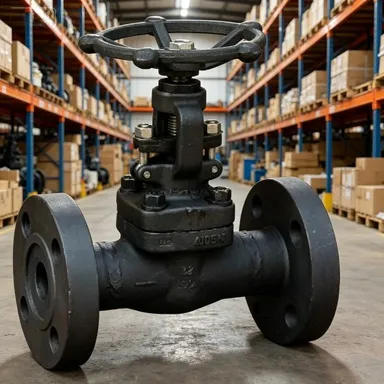
JIS / DIN / ASME Forged Steel High Pressure Globe Valve for ShipNegotiableMOQ: 20 Units
-
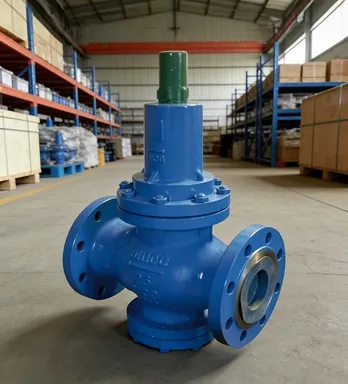
JIS Standard Marine Pressure Reducing Valve CB/M1079-81NegotiableMOQ: 20 Units
-
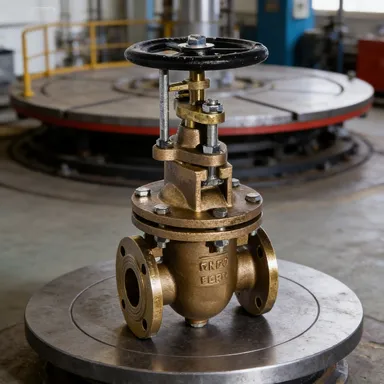
CB/T 467-1995 Bronze Marine Gate Valve Flanged End for Ship PipelineNegotiableMOQ: 10 Units
-
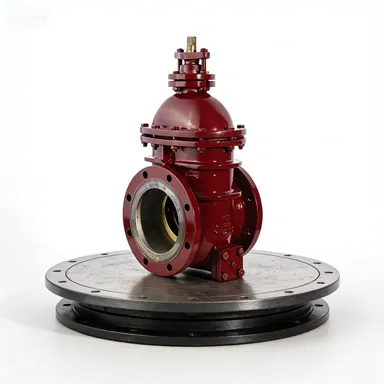
CB/T 3591-2005 Marine Flanged Ductile Iron Gate ValveNegotiableMOQ: 10 Units
-
Corrosion-Resistant Marine Float Air Cap CB/T3594-94 for Seawater ApplicationsNegotiableMOQ: 10 Units
-
Spring Loaded Check Valve for Oilfield Gas Gathering and Transmission Pipeline SystemNegotiableMOQ: 1 Unit